
Green Power Expands Production of RDF Alternative Fuel
Ahmed Hanafi, Chairman of the Board of Directors of Green Power Environmental Services, revealed the company’s plan to expand its production of refuse-derived fuel (RDF) by doubling its current production capacity to approximately 8,000 metric tons per month—up from the current 4,000 metric tons—and by commissioning new production lines before the end of 2026; to meet the growing demand from cement plants and energy-intensive industries. Translated with DeepL.com (free version)
Hanafi explained that the company plans to launch a new alternative fuel production line with a capacity of 4,000 metric tons per month, with the aim of supplying it to cement plants for use as part of an alternative energy mix, thereby helping to reduce reliance on coal and traditional fuels and cut carbon emissions from industrial processes.
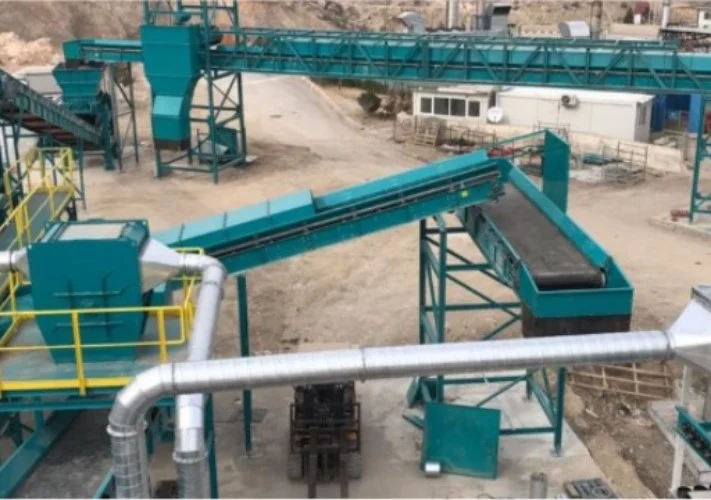
He noted that Green Power is a company specializing in the construction and management of integrated facilities for waste sorting, treatment, and recycling, producing refuse-derived fuel (RDF) and organic compost through an integrated system that includes sorting and treatment units, compost and energy production, and the operational services necessary for efficient project management.
He added that the company has obtained international “ISO” quality certifications as part of its commitment to applying the highest standards of quality, environmental protection, and occupational safety across its various operational activities. The company operates the upgraded municipal solid waste treatment plant in Khanka to produce alternative fuel,
Hanafi emphasized that fuel derived from waste represents one of the sustainable solutions to support the transition to a green economy, as the use of every metric ton of RDF as a substitute for coal helps reduce fossil fuel consumption and lower carbon emissions, in addition to enhancing the economic value of waste and reducing the amount sent to landfills.
He continued: “The alternative fuel market in Egypt has seen remarkable growth in recent years, driven by the government’s expansion of the municipal waste management system and increased investments in recycling and clean energy projects.”
He noted that the industry faces a number of challenges, most notably developing a source-separation system, ensuring the quality of the final product and the consistency of its calorific value, as well as securing sufficient quantities of treatable waste and expanding the infrastructure of sorting and recycling facilities.
It is worth noting that cement plants operating in the Egyptian market aim to increase the share of alternative fuels to more than 30% of the total energy mix used in operations, thereby enhancing energy efficiency and reducing the industrial sector’s carbon footprint.
Source Almal News